I’ll admit it – I eat gummy vitamins.  It’s the only way I can get myself to remember to take my prenatal vitamins and since I am nursing, it is extremely important for the nutrition of my child.  The beneficial effects of multi-vitamins are numerous – calcium for your bones, omega 3 fatty acids for neurologic development.   Patients routinely ask me if a multivitamin will help prevent the onset of cataracts.  Previous studies which have shown that vitamins can help prevent the progression of macular degeneration, never actually demonstrated that vitamins decrease the incidence of cataracts.  The Age Related Eye Disease Study (AREDS) showed that taking daily high doses of vitamins C and E, beta-carotene, zinc and copper can slow down the progress of age-related macular degeneration (AMD).   These are the vitamins that say “Eye Health” at Costco. One of my previous posts was about this protective effect of anti-oxidants and macular degneneration.  But, what about cataracts?  Well, first – what is a cataract?

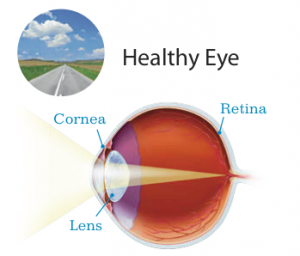
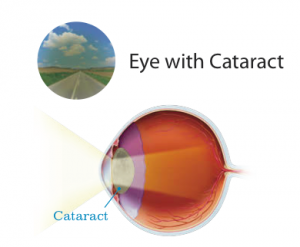
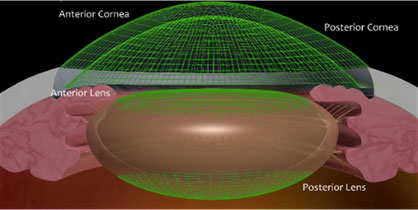
A cataract is a clouding of the normally clear lens within your eye, which results in blurred or distorted vision. The lens helps to focus light onto the retina, the part of the eye similar to the film in a camera.  Light enters the eye through the cornea, passes through the natural crystalline lens and is accurately focused onto the retina, providing a crisp, clear image.


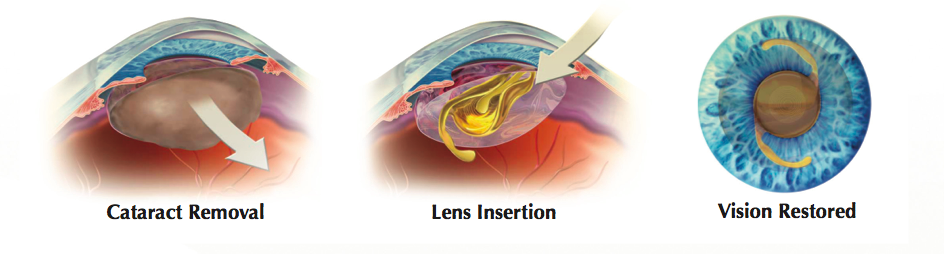
Cataracts are most often found in older patients but they can occur in people of any age. They can progress until eventually there is significant loss of vision, and neither diet, nor medications, will make the cataract go away. Surgery is required to improve vision.  Some people mistakenly think that a cataract is a growth in the eye and that surgery entails “cleaning the cataract out.”.  That’s not quite the case.  The cataract is removed with laser or ultrasound power and replaced with an artificial lens.

However, a new study examined a group of almost 15,000 male physicians , over the age of 50 and followed them over an average of 11 years.  The study was well designed, it was a prospective, double blind, randomized, placebo controlled trial, done at Brigham Women’s Hospital and Harvard Medical School. Half took a common daily multivitamin, as well as vitamin C, vitamin E and beta carotene supplements. The other half took a placebo.  Researches then followed the patients to assess if they developed cataracts or macular degeneration.  They found a roughly 9% decrease in incidence in the development of cataracts in the group who took the vitamins compared to placebo.  Nine percent may not seem like a lot, but when you think about the fact that over 22 million people in the United States alone have cataracts, that 9% translates to roughly 2 million people who may not get cataracts if taking these multivitamins.  On a world wide scale, it is estimated that cataracts cause 51% of blindness, affecting about 20 million people.  And, though cataracts are treatable, many people in developing countries do not have access to surgical care.  A simple multivitamin could make a huge difference in these lives, either delaying the onset or progression of cataracts


Many of you remember when I wanted to take “The Latisse Challenge” last year.  I was planning on using Latisse and taking weekly photographs of my lash growth.  But, since I was breast feeding my second son, I decided against doing it (Latisse is not FDA approved in pregnant or nursing moms).  And, since I got very quickly pregnant with Arya after ceasing nursing Taj, I really have never had the chance to try Latisse.  I have been jealously checking out  all of the people around me with their gorgeous eyelashes.  Even both my boys have lashes that Kim Kardashian would covet.


My Boys

To top it off, I have suffered from madarosis with pregnancy.  Madarosis is the medical term for loss of eyelashes and eyebrows.

There can be many different reasons for it – inflammation such as caused by infections, blepharitis, or even allergy.  Or it can be a sign of a systemic disease or condition, toxicity from medications, nutritional disorders, autoimmune disorder (lupus), tumors, hyperthyroidism or hypothyroidism, or traction (did you know that a lash curler can cause lash loss??).  For me, I think it’s been a combination of hormones and my lash curler.  The skimpier my lashes got, the more I tried to make every lash count – so I started curling them which really made things worse.  Oh, and I’m a notorious eye rubber.  I get bad allergies and I never remember to take my Pataday drops and just end up pulling and stretching my eyelid skin, which is never a good thing.

All of this lead me to try lash extensions.  Several of my friends have them and they are super popular here in Hawaii.  Many of my patients ask me about them and I wanted to try it out.  The licensing for lash extensions varies state to state.  In Hawaii, an aesthetician or cosmetologist can be licensed to apply lash extensions, even currently no classes or lectures are taught about lashes in these two fields.  Therefore, anyone can do lashes and you should make sure that the person you choose for your lash extensions does not skimp on the type glue, types of lashes and is diligent with their application.  After all, this is a non-surgeon using crazy glue and sharp instruments approximately 1 mm from your eye!  The American Academy of Ophthalmology cautions about the dangers of lash extensions.  They warn about:

  • Infection of the cornea
  • Infection or swelling of the eyelid
  • Permanent or temporary loss of lashes

I went to a lady who was highly recommended.  The process of lash extensions involves gluing, with cyanoacrylate glue (Dermabond – the same type of skin glue doctors sometimes use instead of stitches), lashes on to the base of your natural lashes.  I have since learned that there are a few different types of lashes – synthetic, silk and mink.  For mink lashes, think the Kardashians or Beyonce.

The adhesive should not be adherent to your eyelid skin.  The first time I had the lashes done, I liked their look and did not have difficulty with them.

The typical lash cycle consists of 4 different phases, and most women have between 100-200 upper lashes on each eye.


Therefore, even though it takes a full 3 months to cycle through your lashes, most women will want to get their lash extensions filled in every 3-4 weeks.  I went back for my fill=in and asked for more noticeable lashes.  One thing to note is that I had my baby 3 months ago.  This is important because, as many of you mamas out there know, like clockwork, right around the 3-4 month mark, all that luscious hair on your head that the baby hormones were promoting starts to fall out.  Same is true for your lashes.  Unfortunately, the lash lady saw that I had baby fine lashes, since I was shedding a lot of lashes due to the hormones, and applied extra glue to make the lashes stick better.  The fumes from the glue caused my eyes to tear throughout the entire process. The end result was that the lashes were too heavy and caused most of my real lashes to fall out.  Even though I’m an ophthalmologist, it didn’t occur to me to check the ingredients of the glue used.
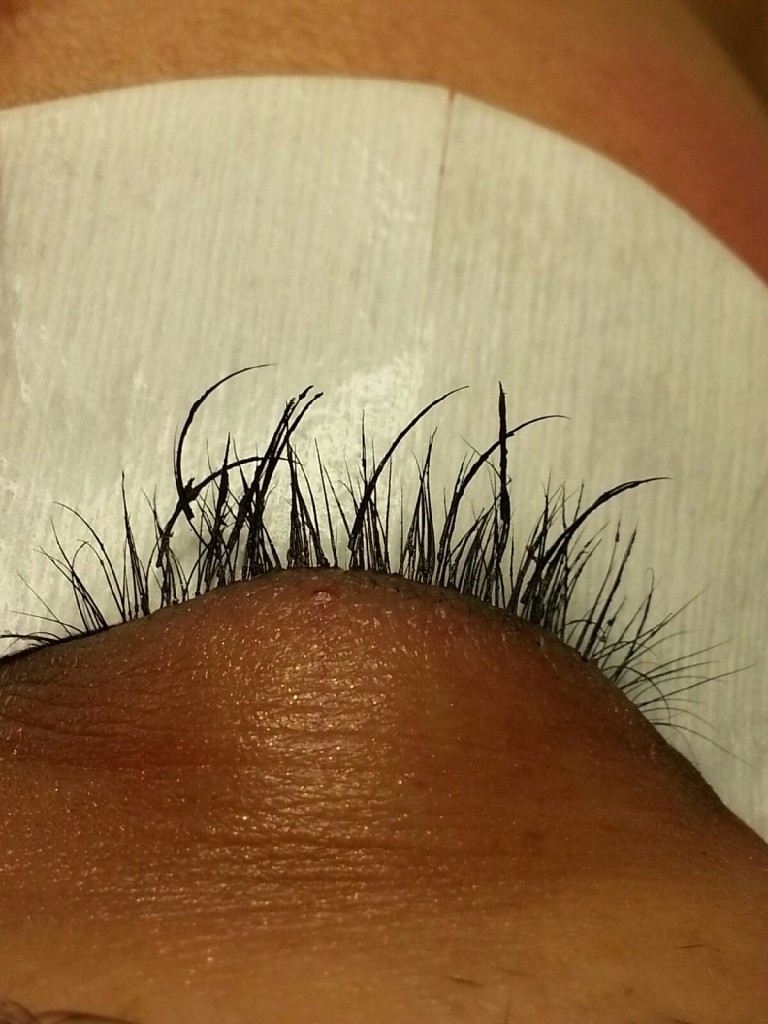
 

Lash extensions glued to multiple of my lashes with excess glue at base

I looked online for studies regarding lash growth and lash extensions.  You might be scared yourself to try lash extensions because you’ve heard “it causes your lashes to fall out”.  In reality, no study has actually been performed to support or deny this assertion.  But, there are risks associated with lash extensions – irritation, inflammation, infection, allergic reaction and even madarosis.  Some of you may remember Kristin Chenowith showing up on David Leterman wearing huge sunglasses because of an allergic reaction from her lash extensions.


Long and short of it, I started developing irritation and redness of my upper eyelid skin from the lash extensions – I wanted them off.  I almost attempted to pull them off myself, but I knew that would result in more missing lashes.

So, I tried another lash stylist (is that what they are called?) who had been highly recommended by another friend.  Kristin Wood of the Kristin Wood salon.  She spent an hour and a half carefully removing all of the excess glue at the base of my lashes and the few errant lashes remaining.  At the conclusion, my upper lids were swollen and red and she advised me to wait  to get new lash extensions until my eyelids had healed.

Redness and swelling at base of lashes after lash removal

I knew that was the right call, so I came back in two weeks and she worked her magic.

New lashes!


One week later, only two of my lashes have fallen out.  The lashes are longer and feel much lighter than my previous ones.  When I touch them, they don’t feel stiff, but soft like my own lashes.  However, most people in the lash industry will admit that lash extensions do cause your natural lashes to fall out more quickly.  So, what should you do to avoid complications from lash extensions?  The FDA and American Academy of Ophthalmology offers the following advice:

  • Check the ingredients of the glue to make sure you are not allergic to it
  • If you have an eye infection or the skin around the eyes is inflamed, avoid lash extensions (as I did initially)
  • Make sure that the technician applying your lashes wears gloves and practices proper hygiene
  • Ensure that the aesthetician is properly certified and working at a reputable place.

If you develop an infection from the lash extensions, resist the urge to pull them out yourself.  Go to an ophthalmologist for treatment. An ophthalmologist can prescribe an antibiotic or antiobiotic/steroid ointment.  The lashes will fall out over the period of about six weeks and with it, the glue should also fall out in that time.

Also, beware of a lash stylist who tells you not to get your lashes wet at all.  Usually, you shouldn’t get them wet the first 24 hours, but after this, you should clean your lashes and remove make-up with an oil-free make-up remover.  Kristin advised to perform the same baby shampoo lid scrubs that I recommend to my patients with blepharitis to prevent build-up of protein and oil (and this was before she knew I was an ophthalmologist!)

So, what do I think of lash extensions?  I had one experience which seems to echo everything that the Academy of Ophthalmology warns about – glue on the base of the eyelid skin, allergic reaction and lashes that were too heavy for my natural lash to sustain, thus causing traction madarosis.  And, I had a great experience with another lash stylish with no complications.  So, the choice is yours – lashes, Latisse, good old fashioned mascara, whatever you choose, be safe and make your eye health your top priority, don’t just look for a good deal.


 

Whenever I tell a patient that they have cataracts and start discussing surgery, many always ask “Is the surgery done with laser?”  Until the past year, I would say no, it’s not laser that removes the cataract.  Since the 1970’s, cataract surgery  has been done withphacoemulsifcation, or ultrasound power to break the cataract into tiny pieces.  Phacoemulsification utilizes the same ultrasound  that dentists use to clean your teeth and was actually developed by Dr. Kelman at the Manhattan Eye, Ear & Throat Hospital where my husband and I trained, met and fell in love (a subject for another post).

However, at the end of 2011, the FDA approved the CATALYS Precision Laser System, a next generation laser cataract machine.  Earlier this year, my husband, Dr. Jeffrey Wong, became one of the first cataract surgeons in Hawaii to offer laser cataract surgery with the CATALYS.  Using CATALYS, he can provide a gentle, highly customized cataract procedure with precision not achievable with traditional manual techniques.

How does it work?

Every eye has a unique size and shape. CATALYS’ advanced 3D imaging technology builds a 3D map of each eye and tailors the treatment to that map. This enables the surgeon to create a customized treatment plan that matches the uniqueness of each eye.

Next, the surgeon uses CATALYS to create a circular opening for accessing and removing the cataract.  Usually, the surgeon does this manually with a sharp instrument and small forceps.  However, the CATALYS machine can create this opening, or capsulorhexis,  for the surgeon using laser.  Clinical studies have shown that this opening is approximately 10 times more accurate when performed with CATALYS than what is achievable by hand.1,2  This opening is an extremely important part of cataract surgery, for it allows the surgeon access to the cataract.  If the opening is not perfectly circular, complications can occur with the placement of the artificial lens.  That’s not to say that an experienced surgeon has to use the CATALYS machine to make the capsulorhexis.  I’ve watched my husband perform cataract surgery numerous times and he has no trouble creating circular opening, however this laser machine does eliminate the chance that opening may be too large or too small, or not perfectly round.  After all, it’s a machine, so it makes the same 5 mm opening every time.  After creating the opening, CATALYS then softens and breaks up the hard cataract into tiny pieces, allowing for gentler, easier cataract removal.3  

Using the manual technique without the CATALYS machine, my husband would have to use the instrument pictured below along with the ultrasound probe to break the cataract into many pieces.

Again, in experienced hands, this technique often results in perfect 20/20 vision, but it does require additional ultrasound power.  With the CATALYS machine, since the laser divides up the cataract, the ultrasound power that is used to remove the cataract is less, which is better for the overall health of the eye.

Depending on the patient’s pre-operative vision and desired visual result, Dr. Wong, or whoever your cataract surgeon is, may recommend a tailored treatment plan that could include creating ultra-precise laser incisions in the cornea and a specific clear lens type, such as a multi-focal lens. This tailored treatment may reduce a patient’s need for glasses or contacts after surgery.

What are the benefits of Laser Cataract surgery?

  • A highly customized procedure using advanced 3D imaging
  • A treatment with little or no discomfort
  • A more precise treatment
  • A gentler and easier cataract removal – this means less trauma to the cornea (the front section of the eye)
  • Generally, a more rapid visual recovery due to reduced inflammation
  • The opportunity to receive tailored treatment with advanced technology multi-focal lenses, which may reduce the need for glasses or contacts after surgery

What is a patient’s experience like with CATALYS ?

Most parts of the surgery are the same with or without the laser.  You still have to check in to the surgical center an hour before the surgery and you can’t eat anything after midnight.  The main difference is the extra step of the laser.  Before going into the operating room where the actual cataract is removed, patients first go into a small room where the laser is located.  The laser machine is pictured below:

Patients like on the bed and the surgeon “docks” the machine on to your operative eye.  Then, he or she will enter the parameters into the machine and guides the machine in making the laser cuts for the capsule opening and sectioning the cataract into pie pieces.  Then, the patient is taken to the operating room, where the surgeon will use the phacoemulsification probe to completely remove the cataract and insert the artificial lens.

A Patient’s view of surgery with the CATALYS

One of the first patients, a nurse at Queen’s, who my husband performed laser cataract surgery on in the summer, was kind enough to record her experience.

Last year, I had the conventional cataract surgery done on my right eye, by Dr Jeff at Queen’s same day surgery. My pre and post op recovery was uneventful, painless, and successful.  This year, for my left eye, I chose to the computerized Optic procedure and the newest Laser Cataract Surgery with CATALYS. Nervous?  No, not at all. I had already researched on line, decided that the Laser Cataract Surgery with CATALYS, would be the most precise and present the fastest recovery. Preoperatively, Dr Jeff thoroughly explained the procedure, and I was ready! The morning of the surgery I arrived at the Surgical Eye Center, was warmly greeted and the preop procedure were started. The Surgical Eye Center has a very relaxed atmosphere. The staff was friendly, informative, very attentive and efficient.  I barely felt the IV start, and appreciated the fact that I did not have to change out of my clothes into a surgical gown. What I was unprepared for, was how painlessly simple the whole procedure would be! I was taken to the room with the Catalys machine, and lay comfortably down on the table.  Dr Jeff explained each step by step of the procedure. I was instructed to focus on the “red light”…and for me this became a light show and a kaleidoscope of red scales and textures. I was mesmerized by the moving lights! After a few seconds (or minutes, I am not sure) a beautiful green light branched out like tiny capillaries, covering the red scales.  Slowly all of the lights and colors faded, and I was assisted to sit up and walked back to the gurney. I was really amazed! I do not remember very much of the second part of the surgery which was the lens implant procedure.  It maybe the effects of the fentanyl or versed, but I think I was still thinking about my “personal light show”. The whole cataract and lens implant took less than 10-15 minutes.I went home, took a tylenol and watched netflix movies! By that evening I was already on the computer checking emails! The next morning I was able to drive to the Honolulu Eye Clinic.Today, I still find myself staring at the leaves of trees and at plants and flowers, as colors are brighter and more vibrant. Post operatively, and I continue to notice that my vision is sharper and I am able to see things more clearly.

The world is really beautiful! This was amazing! Thank you Dr Jeff!

If you are interested in learning more about laser cataract surgery with my husband, Dr. Jeff Wong, in Honolulu, please contact us at Honolulu Eye Clinic at 526-0030 or via email: ronnie@honolulueyeclinic.com and speak with our Surgical Coordinator, Ronnie Bradbury.


Some of you may have noticed I haven’t been posting as much as I normally do.  Those of you who have seen me in person lately know that’s because I’m pregnant!  Actually, now, 37 weeks pregnant and the older I get, each pregnancy gets a little harder.  Though I have gained the least amount of weight of all my pregnancies, I’m still tired and that has left little room for blogging, after work, taking care of two kids and managing our practice.  However, it did remind me that most women are unaware of how pregnancy can actually affect their eyes, so I thought the topic did deserve a post.

Pregnancy is obviously characterized by 40 weeks of hormones from your placenta which now affect the rest of your body.  These hormones can cause physiologic and pathologic changes in Mom and baby.  Also, as a pregnant woman, certain medications are contraindicated if you do develop an eye condition and I wanted to review some of the more common ones.

Common Eye Conditions:

1.  Viral conjunctivitis, or pink eye.  This is characterized by tearing, redness and discharge.  It often spreads from one eye to the other.  You should wash your hands frequently and it is highly contagious the first 5 days of infection. Supportive measures such as cold compresses and artificial tears are the best.  Antibiotic drops are useless against viruses, so no need to take them.

2.  Allergic conjunctivitis – this one drives me crazy, especially in Hawaii during mango season.  You’ll get the same red, watery eyes, but also accompanied by itching and sneezing.  Unfortunately, it’s not recommended to use allergy drops such as Patanol, Pataday or Lastacaft during pregnancy.  So, supportive measures such as cold compresses and artificial tears are the best option during pregnancy.

3.  Dry eyes -Many women experience dry eyes pregnancy due to the hormonal changes.  Symptoms include light sensitivity, feeling like there’s sand in the eyes and even tearing.

Tips

  • Take frequent breaks when reading
  • Use preservative free artificial tears (sensing the theme here? artificial tears are GOOD during pregnancy!).  And, remember – Visine is NOT an artificial tear!

4.  Change in glasses and contact lenses prescription.

You may notice that you don’t seem to be seeing as well with your current glasses or contact lens prescription when pregnant.  Everything becomes fluid filled when you’re pregnant, even your eye structures.  This fluid changes your glasses and contact lens prescription.  Women complain “I can’t see at night”.  Pregnancy can also cause more nearsightedness (myopia) and astigmatism which is temporary.  I always advise pregnant patients not to change their prescriptions when pregnant, because it may not be accurate.  Wait at least few weeks post-partum before getting a new prescription.  If you are nursing, I would wait around 6 months (until you are no longer exclusively breast feeding) to get your new prescription for the highest accuracy.

5.  NO LASIK!!

This goes hand in hand with the recommendation that laser vision correction is NOT recommended during pregnancy or immediately post-partum.  If your prescription is changing, then your doctor cannot be sure of the calculations necessary to give you a good surgical outcome.  Also, the mild sedatives which are given before LASIK and the steroid drops given post-operatively are not allowed during pregnancy.


There are also abnormal eye problems that can occur during pregnancy that you should ‘watch’ out for (i know that was a weak one!).

  • High blood pressure
  • Retinal problems
  • Blood vessel clots
  • Worsening of diabetes
  • Worsening of tumors

1.  Eclampsia – This is very severe high blood pressure after the 20th week of gestation.

It usually occurs with your first child and causes swelling in your legs and problems with kidneys.  It can cause seizures, headaches, stomach pain andvominting as well as vision abnormalities.  This is why your OB will always ask you about headaches or blurry vision.  You might see lightning flashes, blacking out of part of your vision, double vision or it just might be blurry.  Let your OB know right away if you experience any of the above symptoms.  Typically the eyes improve when the medical condition is treated and usually the baby must be delivered to stop eclampsia.

2.  Glaucoma

Some patients have glaucoma and then later become pregnant.  Most of the glaucoma drops are contraindicated in pregnancy because they can induce preterm labor and decrease the baby’s heart rate.  If you have to use drops, then practice punctal occlusion.  That’s when you place the drops in the eye and then hold pressure at the inner corner to minimize the systemic absorption of the drop. 


3.  Gestational diabetes

This is the one I’m blessed with.  I didn’t have it for my first two boys, but now that I’m over 35 years old, my risk increased and I was diagnosed with diabetes.  It has nothing to do with weight gain during pregnancy (I’ve only gained 14 pounds during the entire 37 weeks of pregnancy) or fitness level.  Most people are really surprised to learn that I have gestational diabetes.  Gestational diabetes is when your blood sugar levels become elevated during pregnancy in women who have never had diabetes before. Gestational diabetes starts when the mother’s body is not able to make and use all the insulin it needs during pregnancy. If you have gestational diabetes, you should see your ophthalmologist every trimester to assess for bleeding in the retina.  However, your risk for developing retinopathy is much lower if you were diagnosed with gestational diabetes than if you had a diagnosis of diabetes prior to getting pregnant.  If you had diabetes (Type I or Type 2) before becoming pregnant, than your risk of bleeding in your eyes is higher during pregnancy.   However, the good news is that most long term studies have shown that progression of retinopathy reverses after delivery and that there are no long term changes.

4.  Blood clots in your eyes

As you advance in pregnancy, the blood becomes more viscous and thick.  Clots can form in your legs, lungs and even eyes.  Sudden, profound, painless vision loss must be reported immediately to your OB and ophthalmologist because this could be a “mini-stroke” in your eye or artery occlusion.

5. Central serous chorioretinopathy

This is relatively rare, but I just saw a patient who was in her first trimester who had central serous chorioretinopathy.  Basically, this is a blister of fluid which builds up in the center most part of your retina, called the macula.  Usually these occur in Type A personality (you know, OCD, stressed out, perfectionistic type ) males in their 30’s and 40’s.  It’s induced by stress, hormones, and steroids.  However, those same hormones in pregnancy can cause CSCR in pregnancy.  Patients experience blurry vision, sudden onset of dim vision, waviness in your vision, decreased color vision, and the feeling that things look smaller in one eye than another.  Definitely see your opthhalmologist for any changes in your vision during pregnancy.


Please forgive any typos – I am posting this from the hospital bed where I am in labor!  Finishing this post is helping distract me from the pain of contractions!!


Children and infants may not be as interested in the fashion statement of sunglasses.  But, babies and kids spend as much as time outdoors in direct sunlight as adults, especially here in Hawaii.. In addition, the crystalline lens inside the eye of people younger than 30 years old is more susceptible to damage from UVB light than that in older adults.  Not only does this susceptibility potentially cause earlier cataracts, but because their lens lets in more damaging UVB light, the retinas of children are more prone to UV toxicity.

So, UV protection for their eyes is even more important for them than for adults.  In the same way that you cover your children in sunscreen and protective hats and clothing when they go outside, so too should their eyes be protected.  Ultraviolet radiation is a great concern in sunny places like Hawaii.  UV light is a part of the light spectrum from the sun to the earth.  Remember this picture from high school?

uv light jpg
In fact, most experts believe that children get 80% of their lifetime UV exposure by the time they are 18 years old!  UV exposure has been linked to the development of cataracts, macular degeneration and other ocular diseases. The risk of retinal damage from sunlight is greatest in children less than 10 years old, although the eye diseases do not develop until adulthood.  UV exposure is the greatest when children are out between the hours of 10 am and 2 pm and if they’re near large sandy beaches and reflective bodies of water.

All sunglasses are not the same.  Effective sunglasses should protect against UVA and UVB light. What’s the difference, you may ask?  Experts used to think that only UVB was harmful, but now additional research has confirmed that UVA light also penetrates the atmosphere causing skin cancer, premature aging and eye damage.  In fact, UVA penetrates the skin and eyes more deeply than UVB light.

However, many expensive sunglasses do not filter out UVA light.  So, it is extremely important to double check that the sunglasses your purchase protect against both UVA and UVB light.

LENSES:

Look for a label or a sticker that says one or more of the following:

  • Lenses block 99% or 100% of UVB and UVA rays
  • Lenses meet ANSI Z80.3 blocking requirements. (This refers to standards set by the American National Standards Institute.)
  • UV 400 protection. (These block light rays with wavelengths up to 400 nanometers, which means that your eyes are shielded from even the tiniest UV rays.)

It should either be marked on the sunglasses or the optician will be able to inform you.

FIT:

Sunglasses should properly fit your child’s face.  If the glasses are too big around the temples or don’t fit their nose bridge well, then they will be continuously falling down.  For infants, I really like the Julbo line.  They are soft and flexible, so they fit babies’ flat noses well, without indenting their nose.   Also, wrap around styles provide the best coverage and protection.  Here’s my son in his Julbo sunglasses when he was around 7-8 months old.


Once we started taking him to the beach with us, I put him in sunglasses.   It’s never too early to start having your child wear sunglasses.  Also, of course, he is wearing a large hat, full length UV rash guard and sunscreen.  I always joke with my dermatologist friend that you can spot the doctors’ kids at the beach a mile away.  They’re always totally covered up, whereas other kids are just wearing diapers or little bikinis.


POLARIZATION?  WHAT IS THE DEAL?

Another question I get a lot is about polarized sunglasses.  Polarization reduces glare, by filtering out sunlight that bounces on reflective surfaces so it is helpful for people who spend a great deal of time on the water.  However, it is important to note that polarization has nothing to do with UVA/UVB protection.  Just because a pair of lenses in sunglasses is polarized does not mean that it also has UV protection.


Above, my younger son is wearing Babiators sunglasses which we have available in our Optical Shop with polarization.  Department stores like Nordstrom also carry them, but without polarization. My older son is wearing no-name sunglasses that I picked up at the store (but they do have UVA/UVB protection) and I’m wearing the new summer Ray-Ban Erika sunglasses, which we also have in our Optical shop.   I love these, they are so light and I feel like they look like candy.  My husband says I have sunglasses addiction, and I might have a collection to rival Brad Pitt’s.  But, hey, we live in Hawaii and I just reviewed all the reasons why sunglasses are medically necessary, so it’s shopping for a MEDICAL reason (that’s my justification for my 8 pairs!)

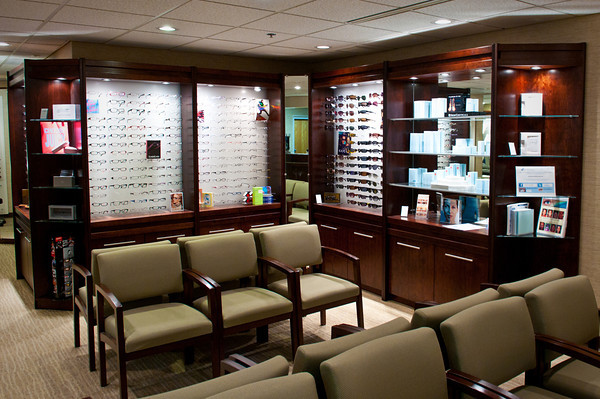
But, getting back to the kids.  Kids really only care that the glasses are comfortable, otherwise it’s near impossible to get them to keep them on their face. At Honolulu Eye Clinic, our opticians are skilled at knowing the type and fit of glasses best suited to protect your child’s eyes from harmful sunlight.  Our optical shop carries sunglasses for infants to adults, all of which block UVA and UVB light.  I would avoid buying sunglasses for kids online unless you can try them on your children first to insure a proper fit and that your child will tolerate wearing the sunglasses.


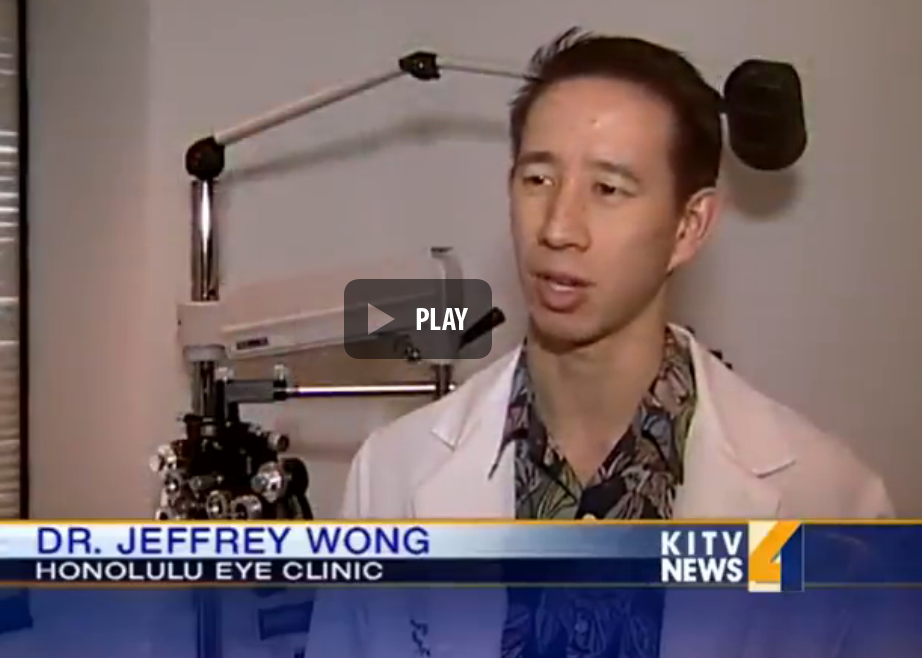
Some of you may have seen Dr. Jeff Wong on KITV news a couple weeks back.  A study had come out which ranked Hawaii in the top 5 places in the US with the most UV radiation, so KITV wanted to interview an ophthalmologist about the dangers of UV radiation on the eyes.  Apparently, the news crew had called our office, but due to miscommunication, our receptionist told them to call back at lunch and they thought she meant to come at lunchtime.  (Of course, she did forget to tell anyone in the office that they called!).  So, I get back from my rounds at Kapiolani Hospital to see Brenton Awa (who had our staff swooning) and his camera man hanging out in our waiting room.  I introduced myself and was quickly filled in on the details.  Now I really enjoy doing news segments. For me, it’s fun educating the public about ocular health and safety. But, this particular area is my husband’s field of expertise – he is a Cornea and Anterior segment surgeon (I know, i know, how specialized can ophthalmology get, soon there will be a left eye and right eye specialist!) and he diagnoses a lot of different types of ocular problems caused by UV light.  The only problem is that he really does not enjoy public speaking, even though he is very good at it.  When I told him I thought he should do the news segment, he was less than thrilled to say the least, but once he found it was going to be taped and edited, as opposed to the KHON segments which are live, he agreed.

Here’s a little screenshot of his video.  Sorry, you can’t click on it to play, click here instead to view the vide.


Didn’t he do a great job?

So, just as you use sunscreen to protect your skin this summer, don’t forget sunglasses to protect your eyes.  The same harmful rays that can damage the skin can also increase your risk of developing eye problems such as cataracts, pterygia, and even cancers of the eyelids or the conjunctiva (the white membrane covering the eye).

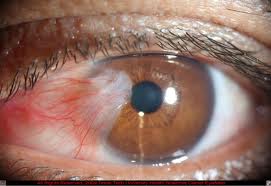
A pterygium (pictured below) is a growth of fleshy tissue on the conjunctiva that extends over the cornea (the clear front window of the eye).  This growth is caused by ultraviolet (UV) light from the sun.  Because we are so close to the equator, pterygia are very common in Hawaii, especially amongst surfers who often times do not wear sunglasses when out on the water.

Pterygium

Symptoms include blurry vision, irritation, dryness, itching, burning, and foreign body sensation.  In many cases, no treatment is needed.  Sometimes artificial tears or steroid eyedrops are used to help calm inflammation.  If the growths become large enough to threaten sight or cause persistent discomfort, they can be removed surgically, often with an excellent cosmetic result.  My husband, Dr. Jeff Wong, performs this type of surgery.

However, even though most patients know about pterygium and cataracts, the vast majority are unaware that cancer can also develop on the eyes, the most common type being basal cell carcinoma of the eyelids.  Rarely, cancer can affect the conjunctiva and cornea.   Dr. Jeff Wong is skilled in diagnosing and treating these lesions.  If you see an unusual growth on your eyelid or the conjunctiva (the white of the eye) that seems to be increasing in size, it is best to get it checked by an ophthalmologist.  Though rare, basal cell, squamos cell carcinoma and melanoma, the types of cancers which affect your skin, can involve your eyes.


Basal cell cancer of the lower eyelid


Squamos cell cancer of the conjunctiva

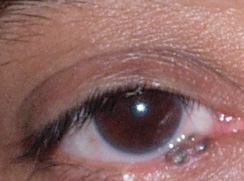
Jeff has surgically removed a handful of these lesions and caught them early to avoid vision and life threatening complications.  When I tell patients that melanoma can also affect their eyelids, they are always surprised.  But, here’s a picture of how innocent a melanoma can look.  Just that small brown spot on the lower lid.  Some people may think it’s just a mole.  However, similar to any nevus, or mole, on the rest of your body, if the lesion has irregular borders, appears to be darkening or changing in appearance, please bring it to the attention of your doctor.

Melanoma of lower lid

So make sure to wear sunglasses that block 99-100 percent of both UV-A and UV-B radiation.  Even your contact lenses should have UV protection.  Wrap-around sunglasses and wide-brimmed hats add extra protection.

This is how I look when I go to the beach.


Not exactly fashion forward, but I never leave the house without my wide brimmed hat, large sunglasses, rash guard and Skinceutical/Elta MD sunscreen with titanium dioxide and Zinc (the best at combatting both UVA and UVB rays).  I  know, it looks like I’m a celebrity avoiding paparazzi or something, but the price of your health is worth it!

Lastly, make sure to see us regularly to monitor the health of your eyes!


Today, I received a letter from a patient with a copy of  an recent article linking aspirin use with blindness caused by age-related macular degeneration (AMD).  She was understandably concerned and asked in her letter whether or not she should stop taking aspiring.  I thought a post on the subject would be helpful for other patients who are similarly worried.

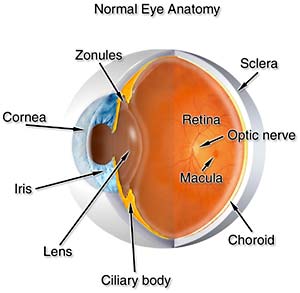
Macular degeneration is the leading cause of blindness for Americans older than 55 years old.  The macula is the center most part of the retina responsible for the fine central vision.  I always tell patients that the retina is like the camera film of the eye, but now with digital cameras, I’m not really sure what the equivalent would be!  In any case, the retina is the inner lining of the eye and its cells record visual input and translate it to send back to the brain.  The macula is a small pigmented area right in the in center of the retina.

Anatomy of the eye

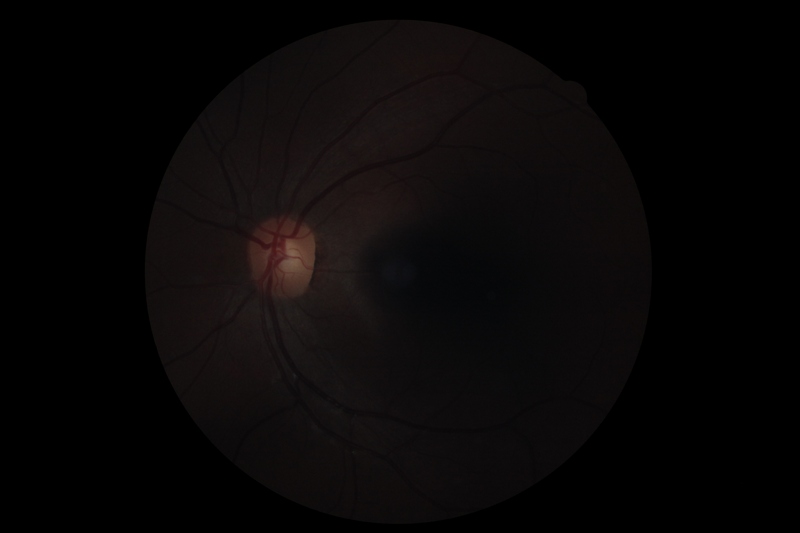
Below is actually a photography of the retina of my left eye.

And, here’s a depiction of the difference between a normal retina on the left side, dry AMD in the middle and wet AMD on the right.

There are 2 forms of macular degeneration – dry and wet.  Most cases of macular degeneration (80-90%)  are the dry form.  In dry macular degeneration, there is an accumulation of “drusen” underneath the retina.  These drusen, essentially represent the “garbage by products” of the retina and over time the deposits can interfere with the function of the macula.  Though the dry form of macular degeneration is less severe and causes less vision loss, there is also no treatment for it.

The wet form of macular degeneration is caused by leakage of abnormal blood vessels underneath the retina (neovascularization).  The blood vessels leak fluid and cause an elevation of the macula and disruption of central vision.   Vision loss can be quite rapid and severe.  However, for this form of macular degeneration, there are treatments available with anti-VEGF injections (Macugen, Avastin). The retina specialist will inject these medications directly into the eye and they help halt the formation of the abnormal, leaky blood vessels under the macula.  Typically, these injections must be repeated every six weeks.

So, what’s the link between aspirin and macular degeneration?  The article was published by the Journal of American Medical Association – Internal Medicine and it looked at roughly 2400 participants and followed them over a 15 year period.  The patients were examined 4 times and asked to complete at baseline assessing aspirin use, cardiovascular disease status, and AMD risk factors.  The authors found that regular low dose aspirin use is associated with a 2.5 fold increased risk of wet (but not dry) AMD.  By the end of the study period, 24.5 percent of the study participants had developed “wet,” or neovascular, age-related macular degeneration. But researchers found that a greater proportion of regular aspirin users had the disease as they followed up throughout the years than the aspirin non-users.  This study does not prove that aspirin causes macular degeneration.  It simply shows there is an association between the two.

A related commentary in the same journal, points out flaws of the study, which undermine the results, and call for additional studies.  They write, ” the strength of evidence is not sufficiently robust to be clinically directive.”  Meaning, the evidence is not strong enough from this study to make changes in clinical care, further prospective, randomized studies are indicated.  Previous studies investigating AMD and aspirin have been inconclusive.

Bottom line – physicians should take this study into account when prescribing aspirin for their patients for prevention of cardiovascular events.  The benefits of initiating aspirin therapy (prevention of heart attacks or possibly cancer) must be weighed against the risks (development of AMD and bleeding), as with any treatment.  Whether or not to start aspirin should be a discussion each patient has with their physician, now with additional information regarding AMD.  Patients who use aspirin for pain control, may want to do so with caution, given this association.


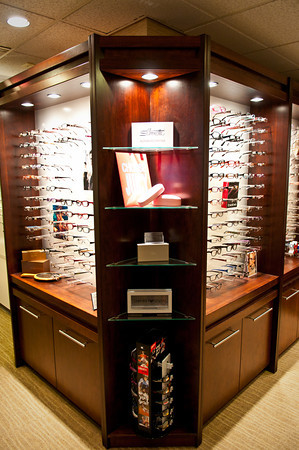
It will definitely take me another month to get used to writing 2013 as I sign charts in the office.  Unbelievable how fast 2012 went by.  And, a lot was accomplished in 2012 at Honolulu Eye Clinic.  Here’s a little recap of our favorite moments/accomplishments of 2012!

1. Our office renovation was begun and completed (though almost wasn’t completed!).  Amidst a contractor who declared bankruptcy mid-way through our project and the fact that I was coordinating everything while on maternity leave, somehow our renovation was finished.  Click here to see our fist blog about demolition (I was so excited and naive to think things would be completed without a hitch!).  And, click here for the post about the progress.  If you haven’t been in yet for your annual eye exam, here’s a look at the finished office.

2.  Jeff and I made the Best Doctors in Hawaii list and were featured on the cover of Honolulu magazine.  Click here to read about the photoshoot.

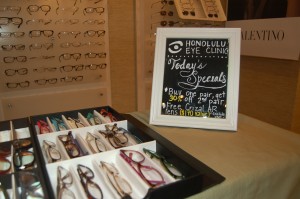
3.  We had 2 glasses trunk shows (Gucci/Dior and Fendi/Valentino).  Below are pics from the latest trunk show.


4. We were featured in Midweek twice – in the Business Roundtable section and the Doctor in the House section.

5. Taj (my second son), turned one !

6.  We added some amazing staff members to our HEC ohana (Summer, Amalis, Amber, Michelle, Jocelyn, Lauren, and Sam join verteran HEC staff – Lia and Grace).  See how we’ve grown over the past 4 years!

September 2009 (one year)

August 2010 (two years)


April 2011 (2.5 years)

April 2012 (3.5 years)


November 2012 (4.25 years!)

 7.  I published my first textbook on strabismus surgery.

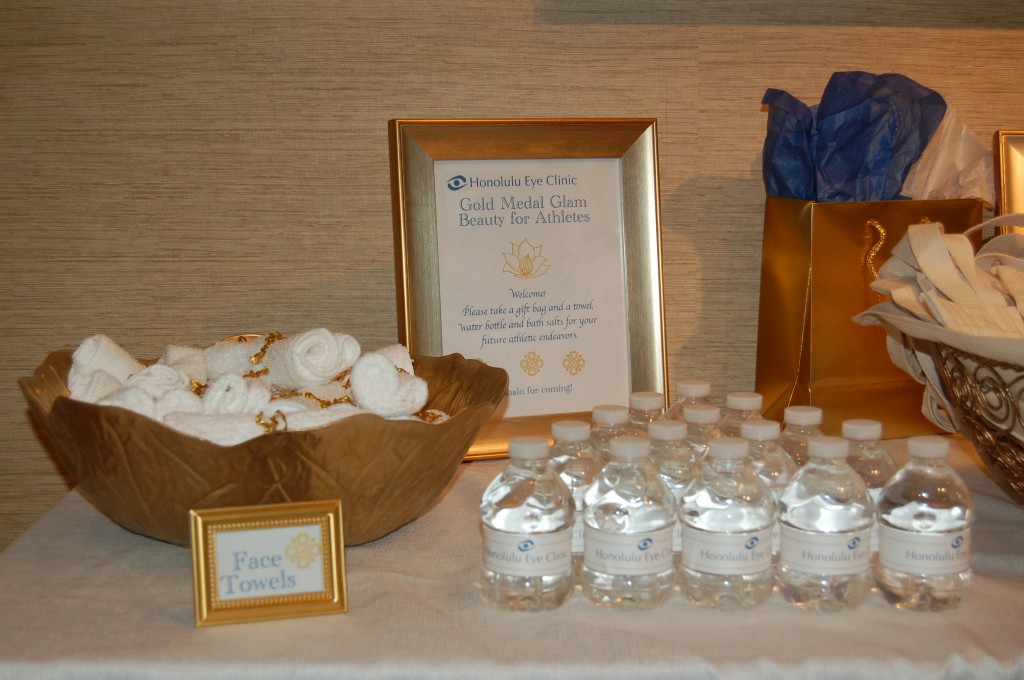
8.  We had 4 cosmetic open house events, including the very successful Mommy Makeover event.  Below are pics from our last one in December – Gold Medal Glam – Beauty for Athletes.


9.  421 likes on Facebook.

10.  Judged the Miss Chinatown competition this past fall and met some amazing young leaders in our community.

Thanks to all of our patients, friends and family for your support throughout the year!


With the holiday season fast approaching (I know, how did it become December already??), you might have started doing some early toy shopping for the little ones in your life.  Given the season, it’s no surprise that December is Young Children’s Safe Toys & Gifts Awareness Month.  Prevent Blindness America declared the day and urges parents and consumers to be conscientious when purchasing gifts for young children.  A few tips when choosing toys:


  • Choose age appropriate toys with care.  Make sure gifts are suited to the developmental and skill level of the child. And, when buying for kids that aren’t your own, keep in mind the other siblings in the house.  Now that I have 2 boys – a responsible 3 year old a rascaly 1 year old, I often find that the baby wants to play with his older brother’s toys.  You may intend a toy for an older sibling, but be mindful that it may end up in the hands of a younger sibling.
  • Discard all plastic wrapping, twist ties, etc immediately.  I never used to understand this photo below before I had children.


“Of course a bag is not a toy,” I used to think. And then I had my first son, and I quickly discovered how much little children love plastic bags – it’s crazy.

  • Buy quality toys with sturdy construction that don’t easily fall apart.  When my eldest son was just born, I hate to admit that I was one of those snobs that only wanted beautiful wooden toys for my children.  No plastic toys for my kids.  Now, I’m a little less strict and though I still appreciate the beauty of a hand-made toy, sometimes my son just wants a Captain America figurine.  But, you should still check to make sure that the toy has passed safety standards.  There should be a sticker: labeled, American Society for Testing and Materials standards.
  • Read the labels.  I’m not usually a direction reader, but I do read the labels and adhere to the recommendations for the age of the child who should be playing with the toy.
  • Avoid toys with cords and strings for young infants since they pose a strangulation hazard.
  • Avoid projectile toys.  I’m always reminded of the scene from “A Christmas Story” –“You’ll shoot your eye out kid.” As a pediatric ophthalmologist, this one is near and dear to my heart.


Obviously, the last place you want to be on Christmas morning is in the Emergency room for an eye injury.  There are many types of projectile toys and most of them are fun.  If you are purchasing one, you want to make sure that the child is old enough to responsibly play with the toy and that adult supervision is present.

  • Avoid the following:
    • Toys with small parts and sharp edges and points.
    • Crayons and markers that are not labeled nontoxic.
    • Toys that could shatter into fragments if broken.
    • Electric toys with heating elements.
The U.S. Consumer Product Safety Commission has some great consumer guides available on their website detailing the types of toys appropriate for each age level,toy hazards and latest recommendations.
Here is an example of a perfectly safe toy that was given to us for my son’s birthday last month.  I’m not sure if this qualifies under the “Loud Noises” category above, I think my husband believes it does!
 

This past weekend, Jeff and I traveled to Chicago for that annual American Academy of Ophthalmology conference. It’s always good to at least one of the annual meetings so that we keep up to date on the latest studies and technological advances for our patients.  Since we’re a bit removed out here in Hawaii, we have to make a bit more effort to stay current.

It felt a bit weird to travel alone.  We left the kids at home with my parents and as we made our way to check-in, we kept looking around at our belongings.  Usually when we travel with the boys, we’ve got the stroller, car seat, diaper bag, suitcase for the kids, lots of snacks, milk, etc.  This time, we literally had one carry on and one suitcase for the both us.  It felt so free!  But, I digress, back to Chicago.  Unfortunately, the conference didn’t leave much time to explore Chicago.  But, the weather was great when we were there, so we did get the chance to walk around a bit.


And, we got invited out to dinner where the dessert was quite literally the size of my head (it was chocolate mousse and if I could have eaten it all, I would have!).

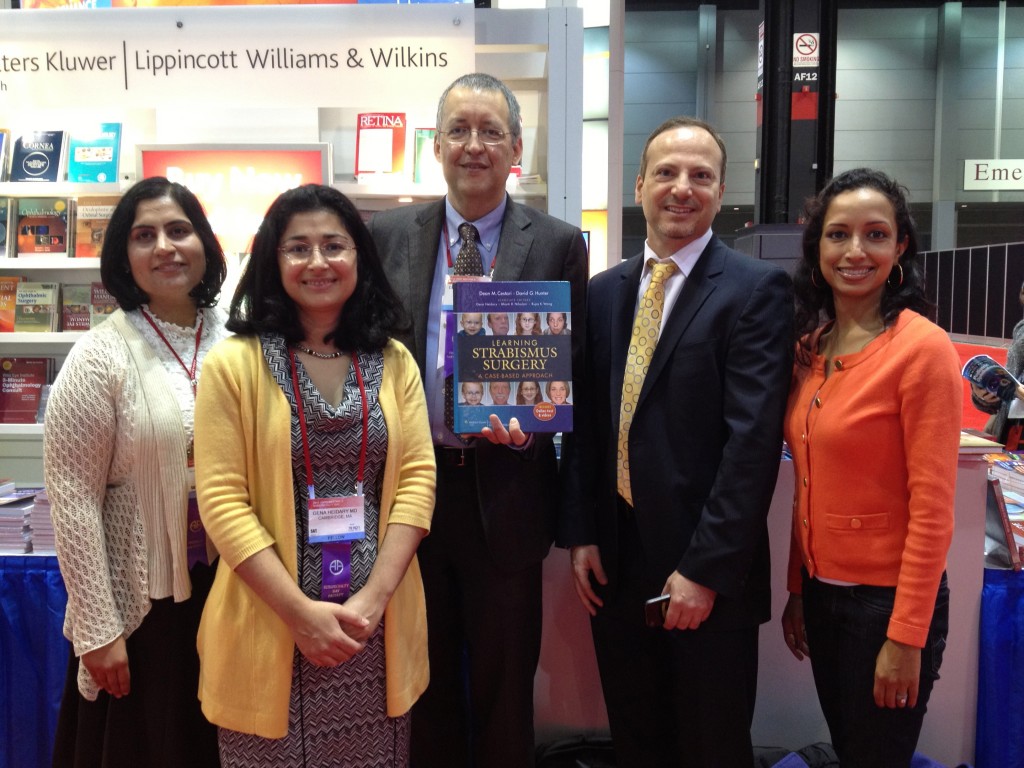
 Aside from attending lectures, my new textbook was unveiled at the conference.  This book started 5 years ago when I was in Boston as Dr. Dean Cestari and I were in clinic with Dr. David Hunter.  Dean and I kept talking about compiling a list of Dr. Hunter’s interesting strabismus cases, detailing his thought process of how he arrived at the surgical plan.  I wrote the 5 first sample cases before I moved out to Hawaii and each time I visited Boston, I met with Dr. Hunter regarding the book, but it had gotten a bit stalled.  Finally, about a year and a half ago, Dr. Hunter called me and asked me if I still wanted to be  part of the book.  Since I was no longer at Boston Children’s Hospital, I could be an associate editor and we added 2 more associate editors – Dr. Gena Heidary and Dr. Bharti Nihilani.  He promised me that it would take just one hour a week.  Not quite!  It has been difficult juggling 2 kids, taking care of my own patients and running our private practice, but the final result was well worth it.  Here it is!  And, it’s even on amazon, available for pre-order (to avoid that Christmas rush!) and free super saver shipping (that’s like a requirement for me when I order from amazon).  I don’t receive royalties, or any payment for my participation in the book, simply the love of academic medicine.

So, back to the conference, the exhibit floor of the conference is extremely overwhelming and has hundreds of different vendors.  Here’s a panorama view of the exhibition floor.

Lippincott was one of the exhibitors and they had a booth selling the latest and greatest ophthalmology textbooks (perhaps, that’s a bit of an exaggeration, however, they did have a lot of good books).  It was so exciting to see my book in the flesh and to see ophthalmologists actually flipping through it!

Drs. Bharti Nihilani, Gena Heidary, David Hunter, Dean Cestari and myself at AAO

Here’s a shot of all of the editors and associate editors.

Aside from visiting my book, Jeff and I attended many different conferences and checked out the newest state of the art technology available to better serve our patients.  We’ll post on some of the things we learned at the conference later.  But, for now, it’s great to be back in Hawaii and see our boys!

© 2011 Honolulu Eye Doctor & Mom Suffusion theme by Sayontan Sinha